Introduction to Mysore Palace

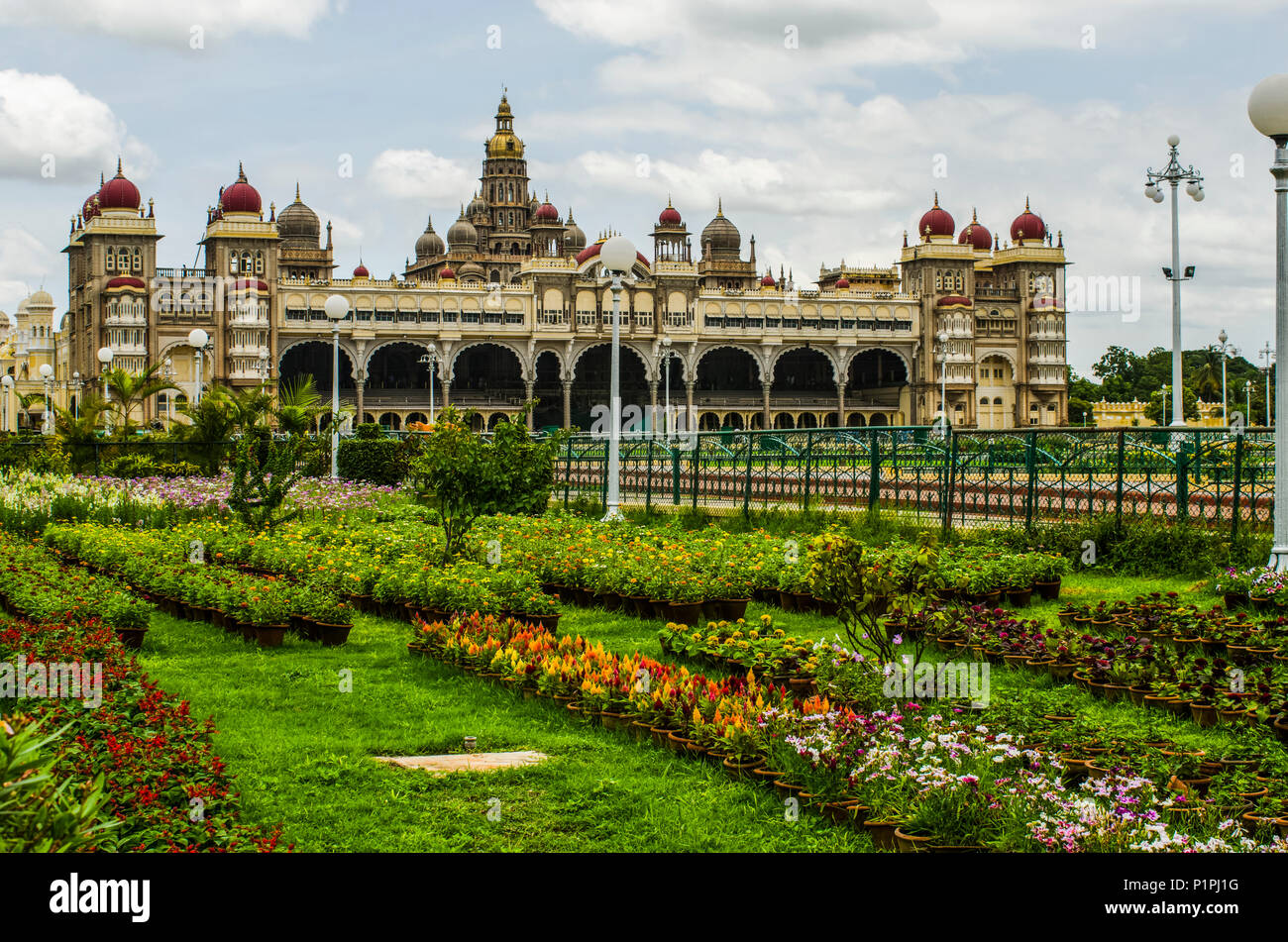
The Mysore Palace stands as one of India's most magnificent architectural treasures, a symbol of the Wadiyar dynasty's legacy spanning over 600 years. This grand structure, rebuilt in the early 20th century after a devastating fire, represents a harmonious blend of Hindu, Muslim, Rajput, and Gothic architectural styles.

Our mission is to ensure that this remarkable heritage site is accessible to everyone, regardless of physical abilities, linguistic backgrounds, or technological limitations. Through thoughtful curation and inclusive design, we invite all visitors to experience the palace's stories.

Historical Legacy of Mysore Palace

Historical Legacy

Originally built in the 14th century by the Wadiyar rulers, the palace has witnessed centuries of South Indian history. The current structure, completed in 1912, was designed by British architect Henry Irwin following a fire that destroyed the previous wooden palace.

The palace served as the ceremonial residence of the Wadiyar monarchs and the seat of the Kingdom of Mysore. Its walls hold stories of royal ceremonies, cultural renaissance, and the evolution of traditional crafts under royal patronage.
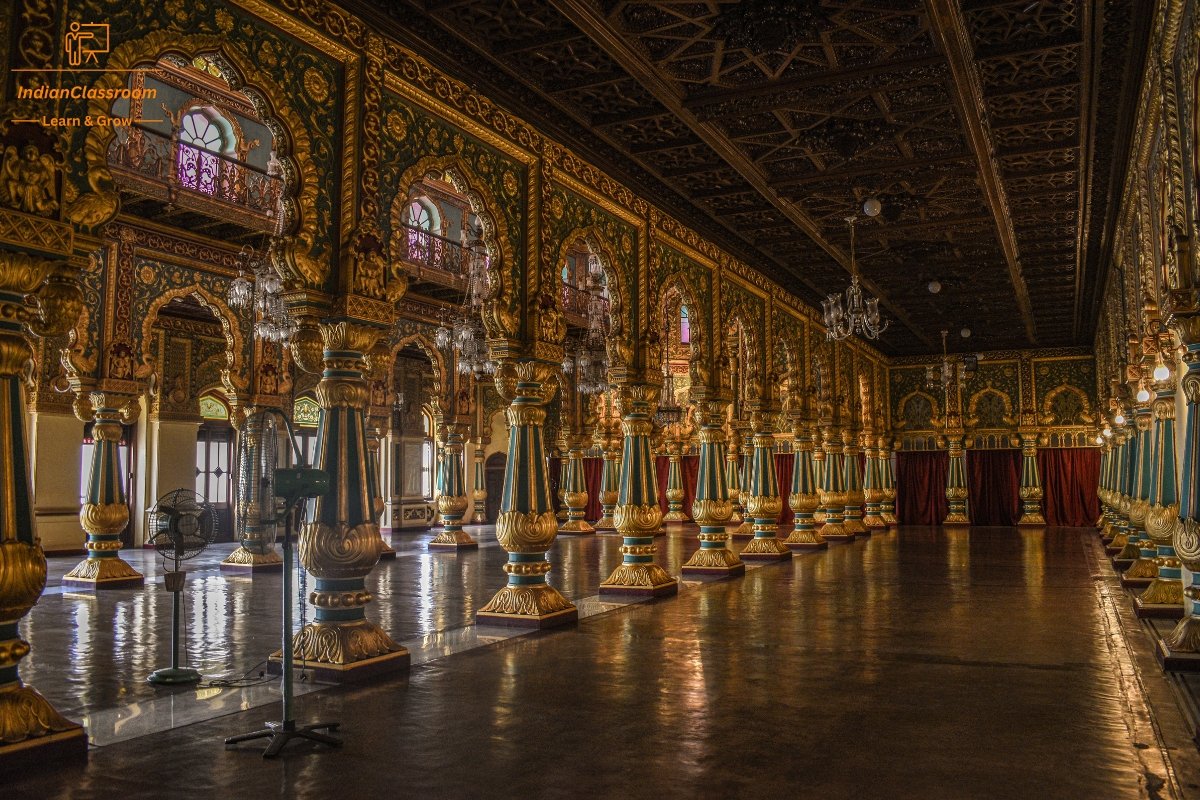
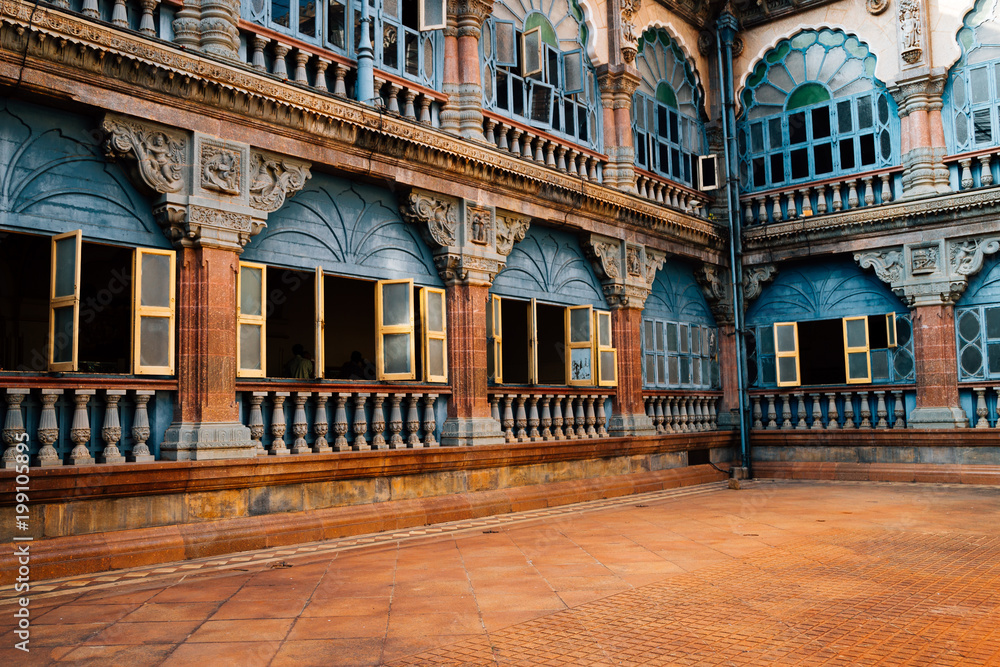
Historical artifacts from Mysore Palace

Architectural Marvel of Mysore Palace

Architectural Marvel

The palace showcases a unique fusion of Indo-Saracenic Revival architecture, combining Hindu, Islamic, Rajput, and Gothic styles. The structure features intricate carvings, detailed paintings, and ornate ceilings that demonstrate the craftsmanship of traditional artisans.

With 1,000 doors, 12 temples, and an imposing 145-foot tower, the palace complex spans 124 acres. The Durbar Hall, with its Italian marble flooring and stained glass windows, exemplifies the opulent royal lifestyle of yesteryear.

Detailed architectural elements of Mysore Palace

Living Heritage and People

Living Heritage

The palace continues to serve as a cultural hub, hosting the famous Dasara festival celebrations each year. Over 1 million visitors experience the palace's grandeur annually, making it one of Karnataka's most visited monuments.

Local artisans, historians, and guides contribute to preserving the palace's stories, ensuring that future generations understand the cultural significance of this heritage site. Their knowledge passes through generations, keeping traditions alive.

Visitors experiencing Mysore Palace

Inclusive Experience and Accessibility

Inclusive Experience

We believe heritage belongs to everyone. Our accessibility initiatives include tactile pathways for visually impaired visitors, audio guides in multiple languages, wheelchair-accessible routes, and sign language interpretation services.

Special provisions ensure that visitors with diverse needs can experience the palace's magnificence. From sensory gardens to simplified content presentations, we strive to make heritage accessible to all members of our community.

Accessibility features at Mysore Palace

Explore the Palace Sections

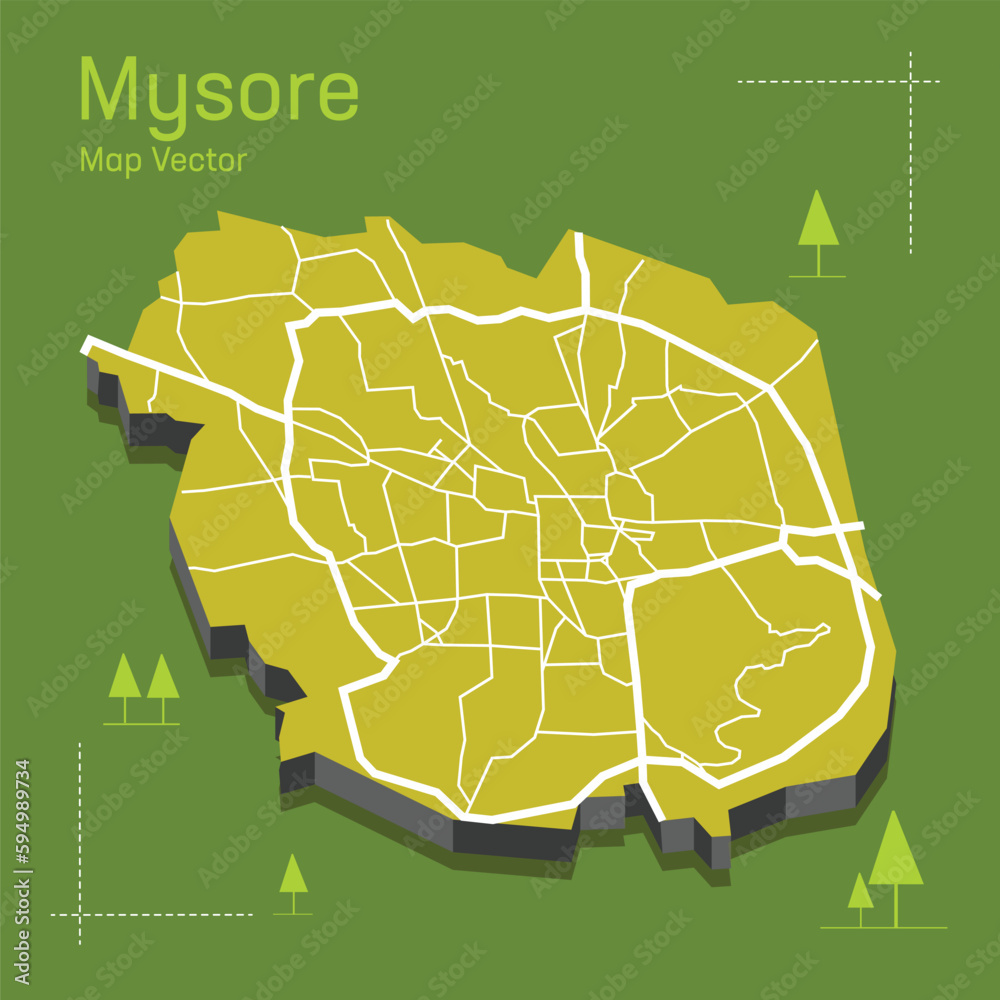
Palace Map

Interactive map of Mysore Palace grounds and key attractions

Inclusive Heritage Services

Inclusive Heritage Services

Wheelchair Access

Full accessibility with ramps and designated pathways for wheelchair users throughout the palace complex.

🔊

Audio Guides

Multi-language audio tours with detailed descriptions suitable for visually impaired visitors.

Sign Language

Sign language interpretation available for deaf and hearing-impaired visitors upon request.

👁️

Tactile Experiences

Tactile models and replicas for visually impaired visitors to experience the palace's architecture.

🗣️

Multi-Language Support

Information available in Kannada, Hindi, English, and regional languages for diverse visitors.

🦻

Assistive Devices

Wheelchairs, walking aids, and magnifying devices available for visitors with mobility needs.